
Restoring Function. Embracing Life.
Shoulder Replacement Surgery
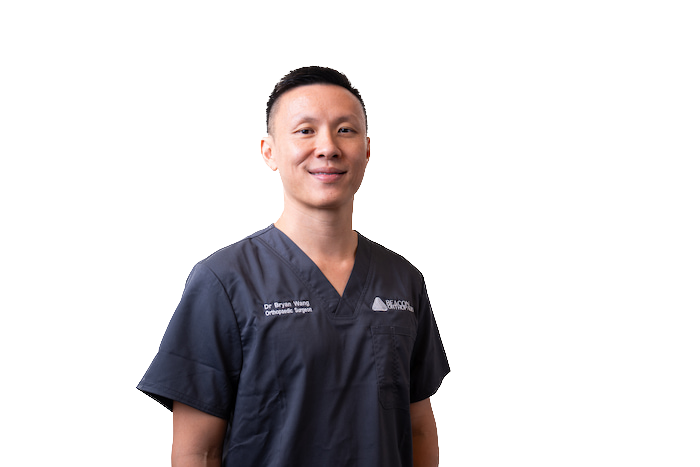
Dr Bryan Wang
Consultant Orthopaedic Surgeon
Trusted Orthopaedic Surgeon | Fellowship-trained in Canada | With over 20-years of experience
Shoulder replacement surgery may be considered when significant damage to the shoulder joint causes persistent pain, stiffness and loss of function, particularly when non-surgical treatments no longer provide sufficient relief.
At Beacon Orthopaedics, Dr Bryan Wang provides assessment and surgical care for a range of shoulder conditions. Depending on the condition of the shoulder joint, rotator cuff and surrounding structures, different types of shoulder replacement may be considered.
The goal of surgery is to relieve pain, restore shoulder function and help patients return to the activities that matter to them.
What is Shoulder Replacement?
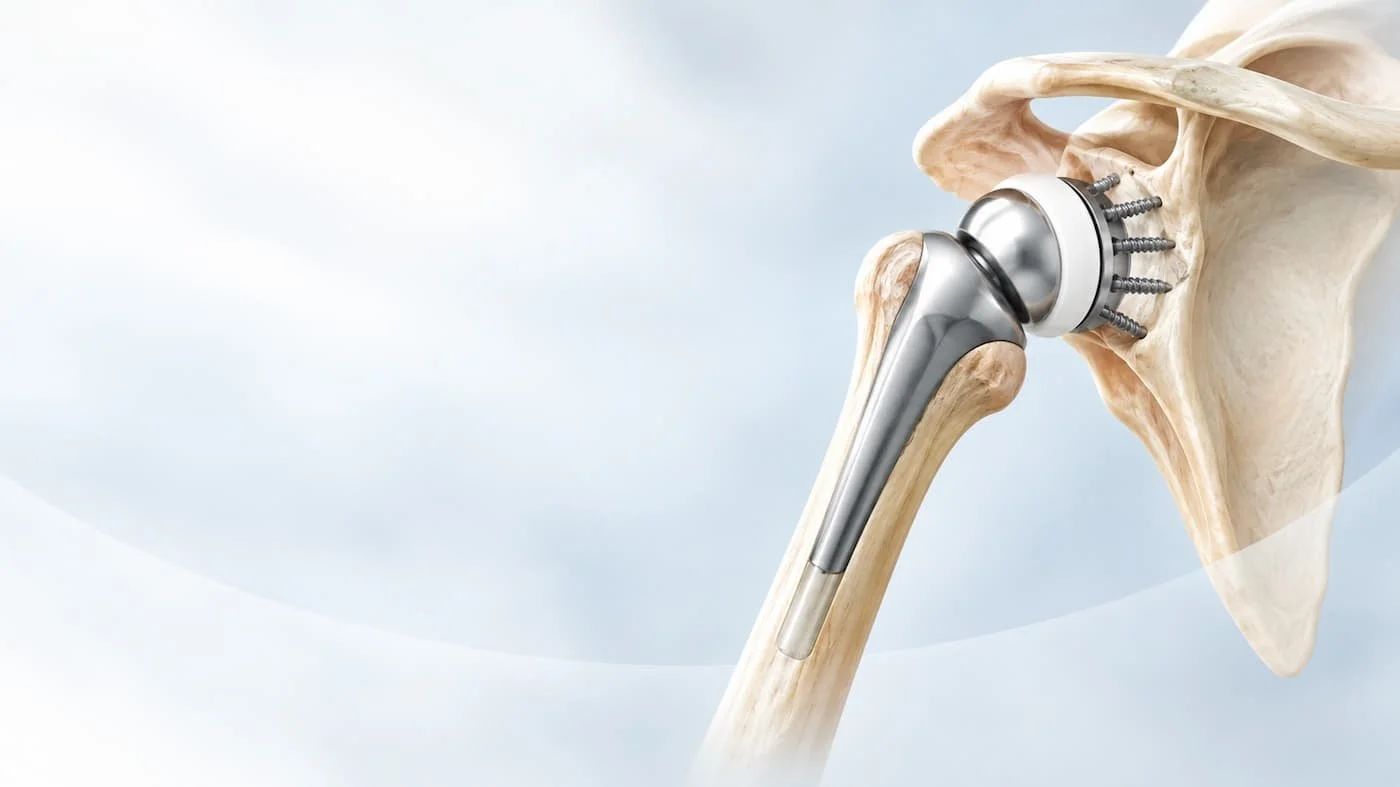
Shoulder replacement is a surgical procedure in which damaged parts of the shoulder joint are replaced with artificial components.
The shoulder is a ball-and-socket joint. The ball is formed by the upper end of the upper arm bone (humeral head), while the socket is part of the shoulder blade (glenoid).
Damage to these surfaces from arthritis, fractures, severe rotator cuff disease or other conditions can lead to pain and difficulty using the arm.
Shoulder replacement surgery replaces some or all of these damaged surfaces with prosthetic components, depending on the type of replacement required.
Types of Shoulder Replacement
The most appropriate type of shoulder replacement depends on the underlying condition, the quality of the rotator cuff and the condition of the shoulder joint.
Reverse Shoulder Replacement
A reverse shoulder replacement changes the normal arrangement of the shoulder joint. Instead of placing a ball at the top of the upper arm bone and a socket on the shoulder blade, the positions are reversed.
This allows the deltoid muscle to help lift and move the arm when the rotator cuff is severely damaged or no longer functioning effectively.
Reverse shoulder replacement may be considered for selected patients with conditions such as:
Severe shoulder arthritis associated with an irreparable rotator cuff tear
Cuff tear arthropathy
Certain complex shoulder fractures
Significant shoulder damage where conventional shoulder replacement may not provide the desired function
Other complex shoulder conditions where the rotator cuff is substantially compromised
Whether a reverse shoulder replacement is appropriate depends on the individual's symptoms, examination findings, imaging and overall shoulder function.
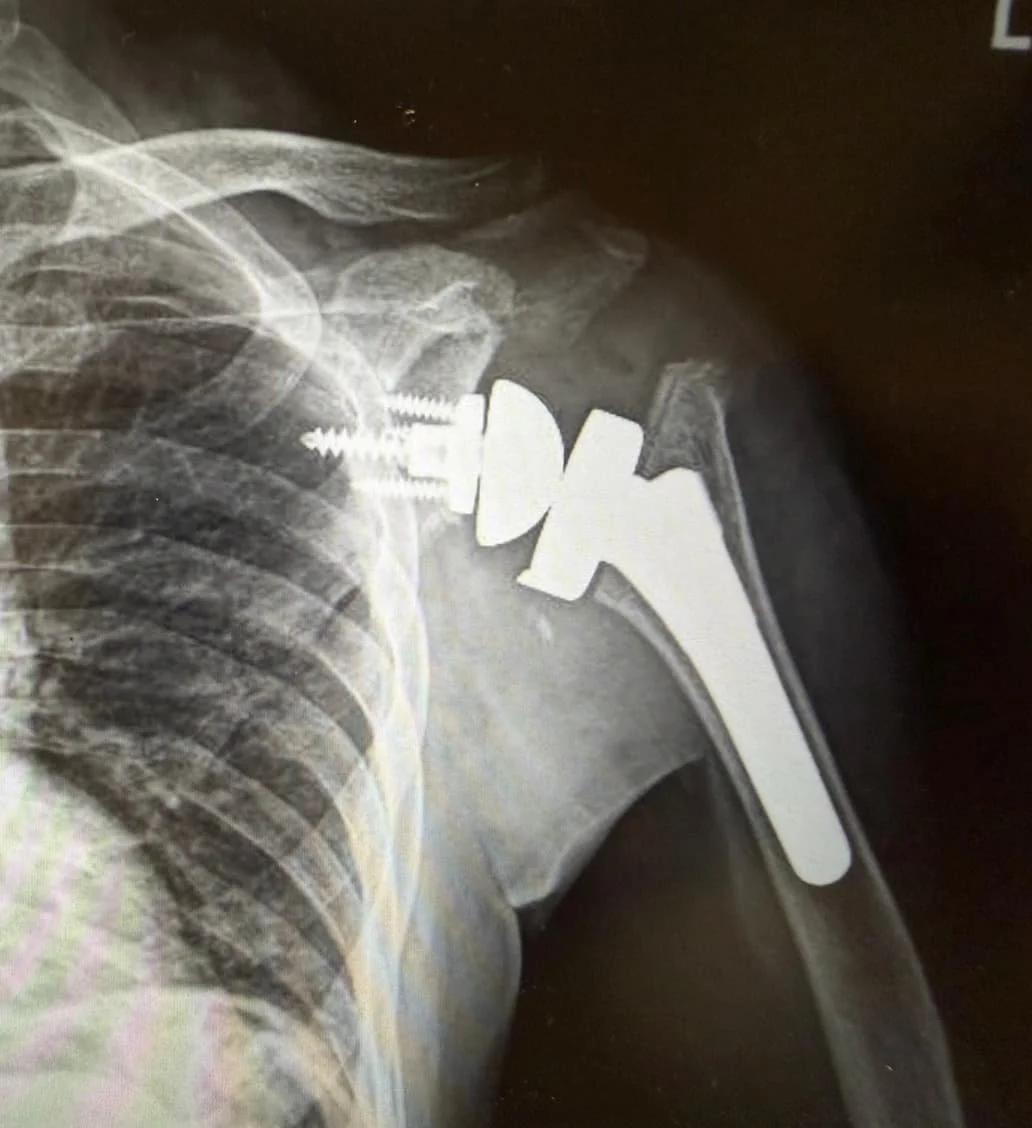
Xray image of a reverse shoulder replacement performed by Dr Bryan Wang (for rotator cuff arthropathy)
Total Shoulder Replacement
A conventional total shoulder replacement replaces the damaged ball and socket surfaces with prosthetic components while maintaining the normal anatomy of the shoulder joint.
It may be considered for patients with significant shoulder arthritis who have a functioning rotator cuff and appropriate bone quality.
The choice between a conventional shoulder replacement and a reverse shoulder replacement is made based on the condition of the shoulder and the structures that support its movement.
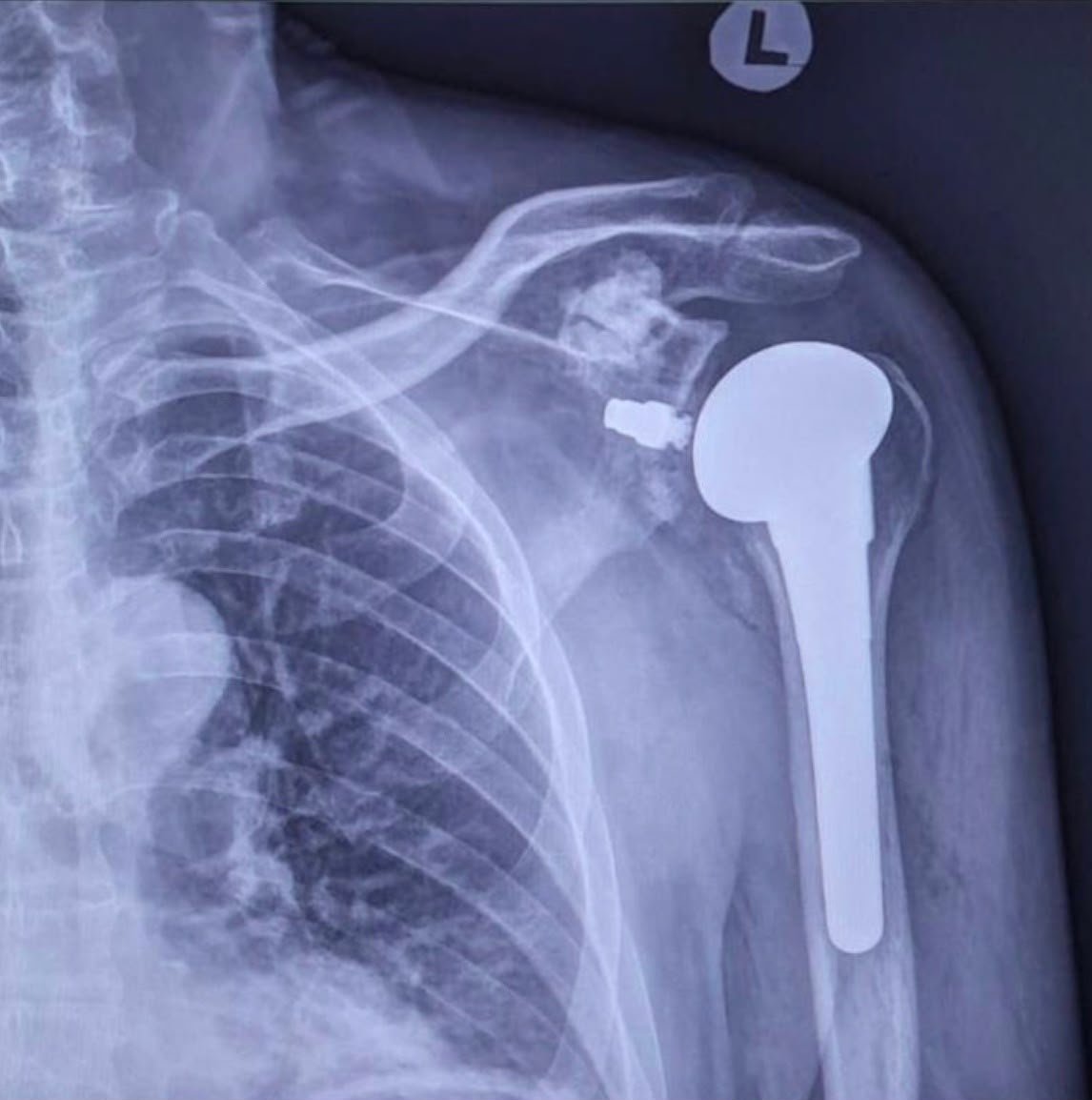
Xray image of a primary anatomic total shoulder replacement performed by Dr Bryan Wang (for osteoarthritis)
What Happens During Shoulder Replacement Surgery?
Before surgery, your shoulder will be assessed through a combination of your medical history, physical examination and imaging.
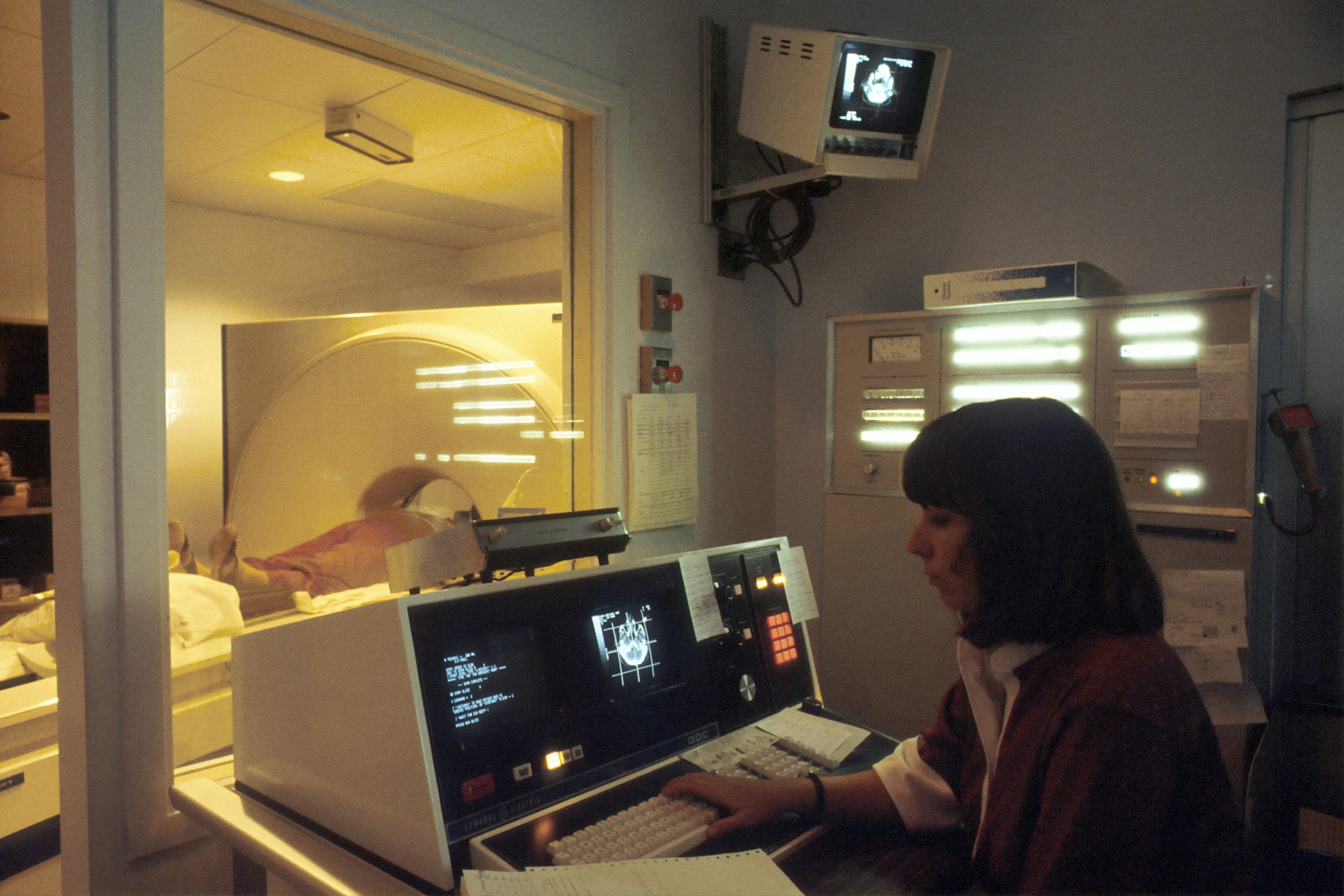
X-rays are commonly used to assess the condition of the joint and bone. Additional imaging, such as a CT scan or MRI, may sometimes be recommended to provide more detailed information about the bone, rotator cuff and other soft tissues.
During surgery, the damaged portions of the shoulder joint are carefully prepared and replaced with prosthetic components appropriate for the individual patient's anatomy and condition.
When Might Shoulder Replacement Be Recommended?
Shoulder replacement is generally considered when shoulder damage is causing significant symptoms and affecting daily activities, particularly when non-surgical treatments have not provided adequate improvement.
Depending on the underlying condition, non-surgical treatment may include:
Activity modification
Physiotherapy and targeted exercises
Medication for pain and inflammation
Injections in selected patients
Other appropriate conservative treatments
Surgery is not automatically required for every patient with shoulder arthritis or a rotator cuff tear. The decision depends on the severity of symptoms, functional limitations, imaging findings and the patient's individual circumstances.
What Can You Expect After Surgery?
Recovery following shoulder replacement takes time and involves a structured rehabilitation programme.
Initially, the focus is on protecting the shoulder while allowing the tissues to heal. As recovery progresses, physiotherapy helps gradually restore movement, strength and function.
The pace of recovery varies between individuals and depends on factors such as the type of replacement, the underlying shoulder condition, general health and adherence to rehabilitation.
Your rehabilitation programme will be tailored to your surgery and individual recovery.
Returning to Activities
The aim of shoulder replacement surgery is to reduce pain and improve shoulder function so that patients can return to meaningful everyday activities.
The activities that are appropriate after surgery vary between individuals. Your surgeon and physiotherapist can guide you on when and how to gradually resume specific activities.
Understanding the Risks
As with any major surgery, shoulder replacement carries potential risks and complications.
These may include infection, bleeding, nerve or blood vessel injury, stiffness, instability or dislocation, fracture, implant-related complications, persistent pain and the possibility of further surgery.
Your individual risks will depend on your condition, the type of surgery and other personal factors. These will be discussed with you before making a decision about surgery.

Your Shoulder Replacement Journey
At Beacon Orthopaedics, we believe that good surgical care begins with understanding your condition and discussing your treatment options clearly.
Dr Bryan Wang takes a comprehensive approach to shoulder care, from diagnosis and treatment planning through surgery and rehabilitation.
Every shoulder is different. The appropriate treatment is determined after a careful assessment of your symptoms, examination findings and imaging.
Take The Next Step for Your Shoulder Pain
If you have persistent shoulder pain, instability or limited movement, early specialist assessment can prevent further damage. Beacon Orthopaedics offers advanced shoulder arthroscopy with personalised rehabilitation to help you return confidently to work and sport.
Medically reviewed by: Dr Bryan Wang, Consultant Orthopaedic Surgeon, Beacon Orthopaedics, Singapore
Fellowship-trained (Pan Am Clinic, Canada) | Former Senior Consultant (CGH) | Teaching faculty at NUS, NTU & Duke-NUS | Member of AAOS, ISAKOS, and Canadian Shoulder & Elbow Society
Last reviewed: September 2026
Educational content only. Not a substitute for personalised medical advice. Consult a qualified orthopaedic specialist for diagnosis and treatment.