
Restoring Function. Embracing Life.
Bankart Lesion Repair
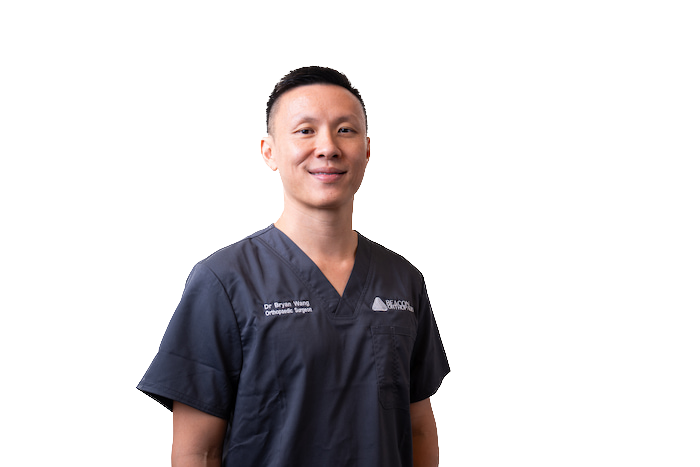
Dr Bryan Wang
Consultant Orthopaedic Surgeon
Trusted Orthopaedic Surgeon | Fellowship-trained in Canada | With over 20-years of experience
Bankart Lesion Repair
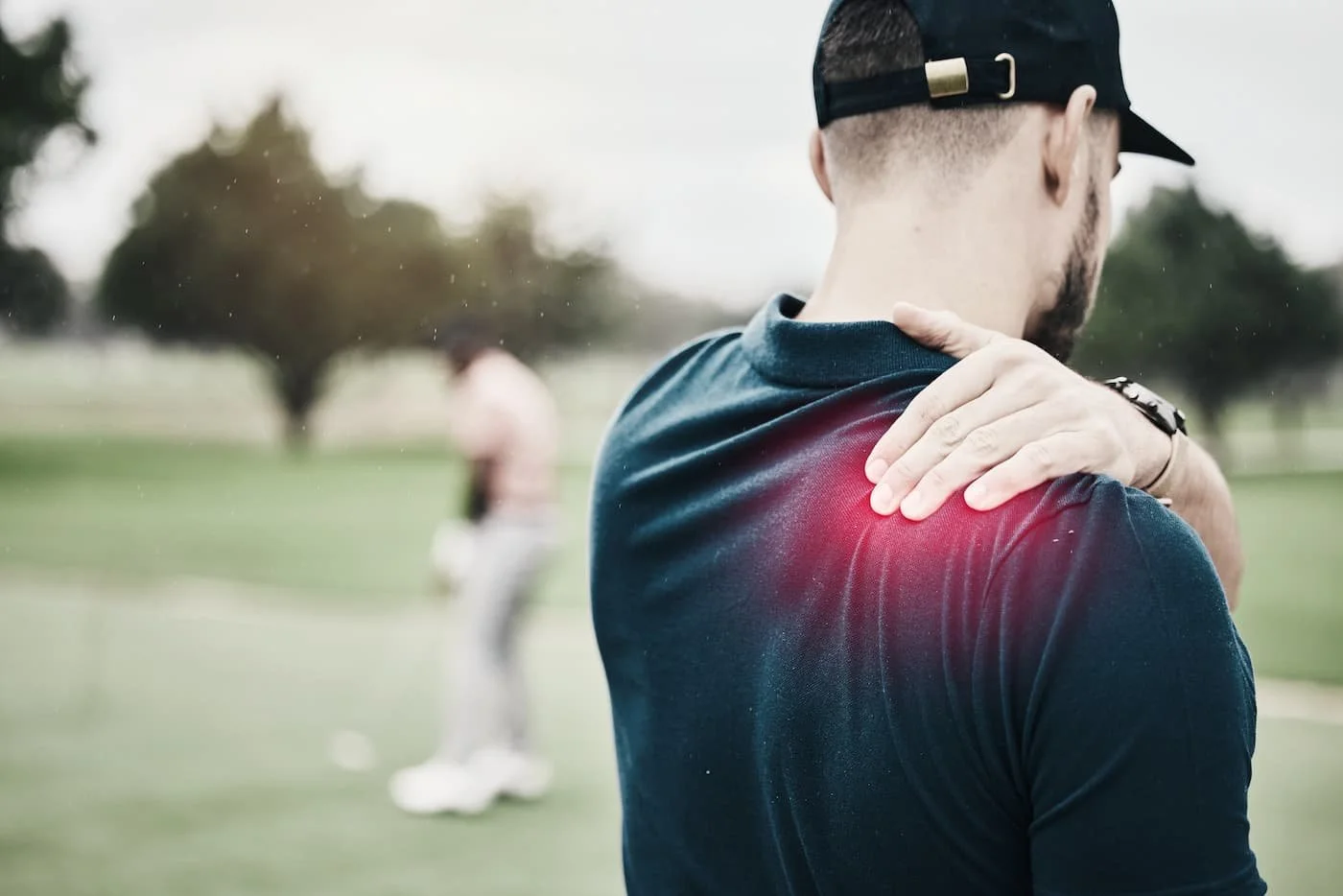
Bankart lesion, a tear in the front-lower labrum of the shoulder often affects athletes in overhead or contact sports, leading to pain, clicking, and a feeling that the shoulder may “pop out.” Diagnosis involves physical tests and imaging such as MRI or X-rays. Mild cases may respond to physiotherapy, while recurrent or severe injuries often require arthroscopic repair or procedures like remplissage or Latarjet. However, with guided rehabilitation, most patients regain shoulder stability and return to sports or normal activities within four to six months.
What is a Bankart Lesion?
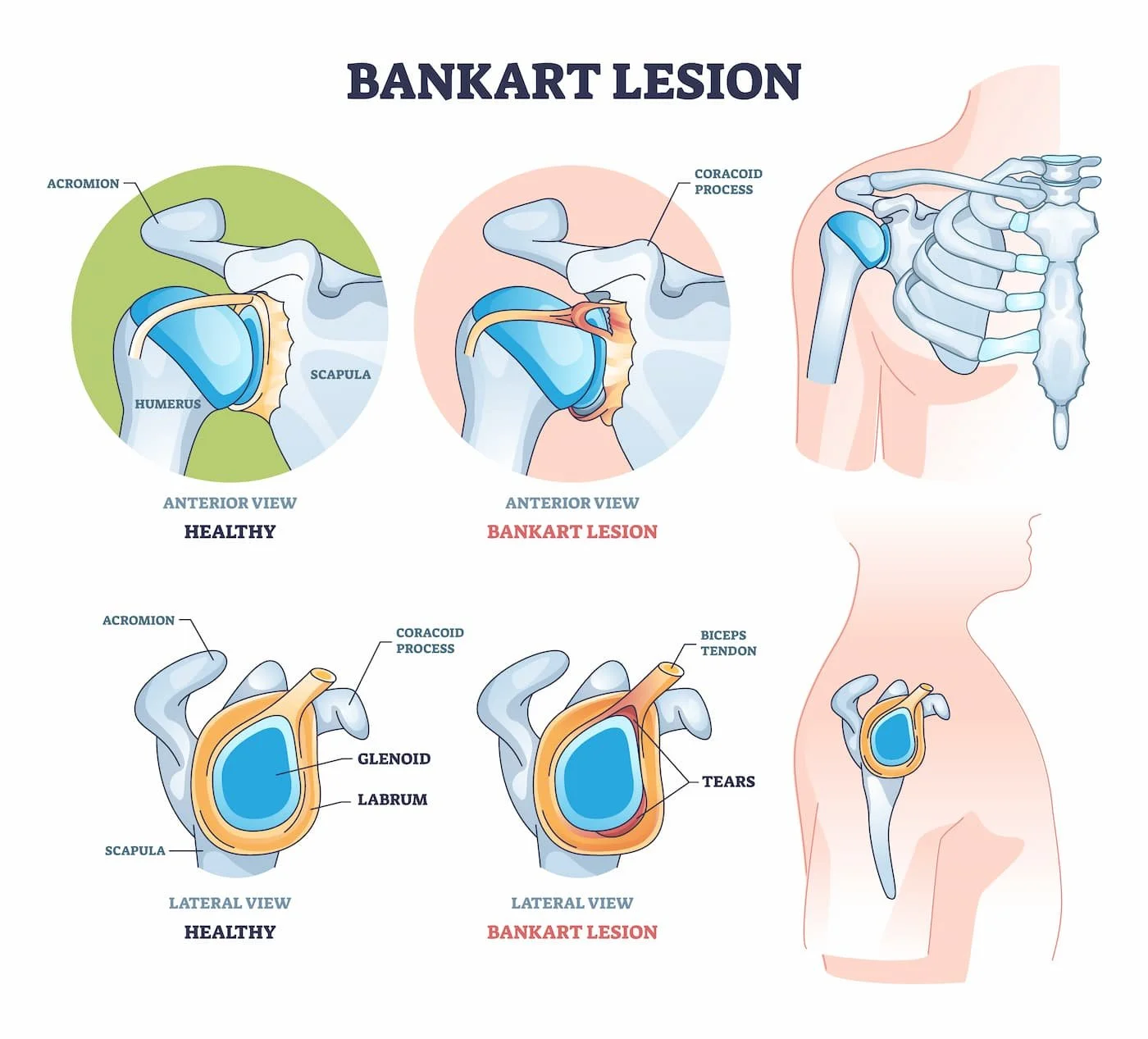
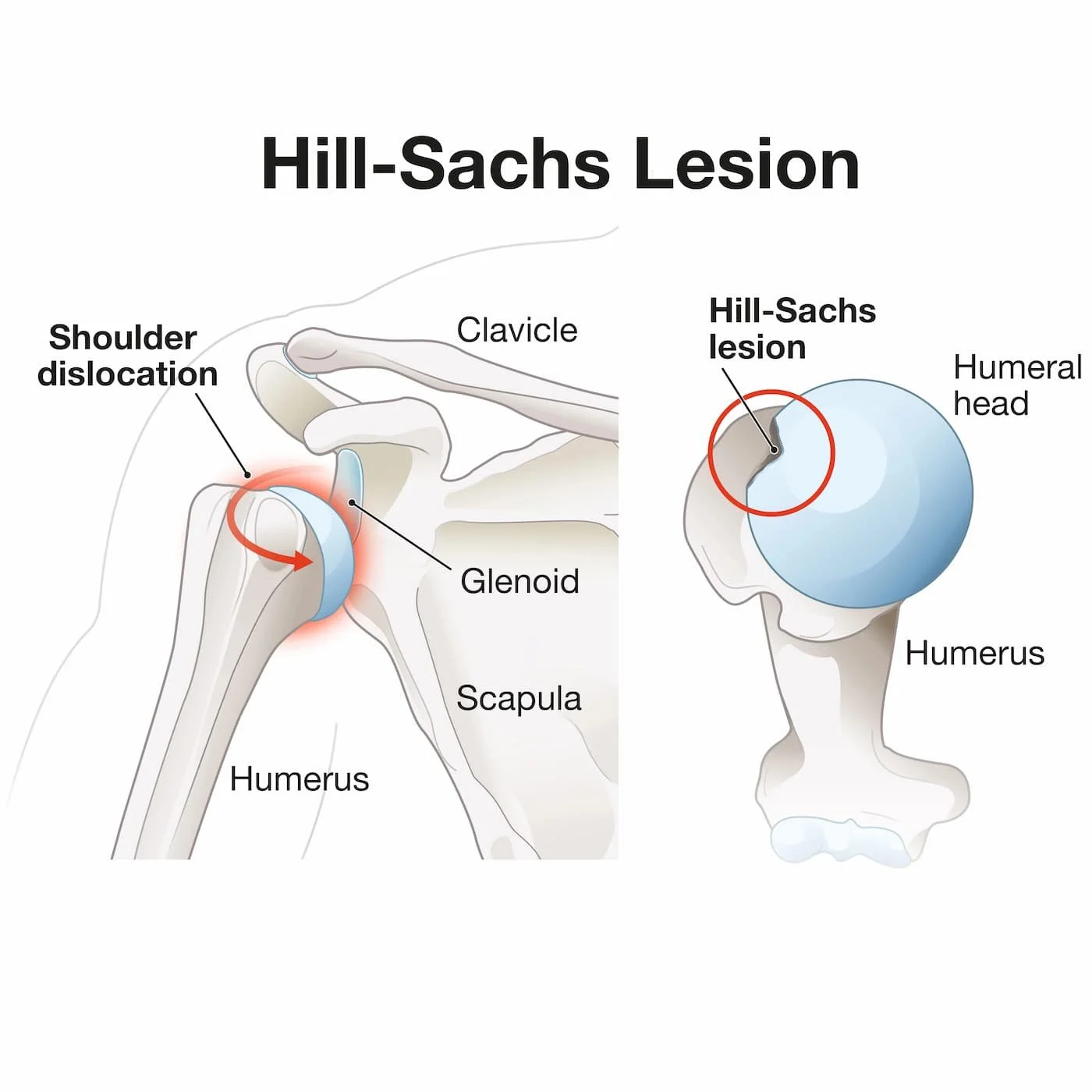
A Bankart lesion is a tear of the front-lower (anteroinferior) part of the shoulder’s labrum — the ring of cartilage that stabilizes the joint. It commonly occurs after an anterior shoulder dislocation or repeated partial dislocations. When the shoulder slips forward, this motion can peel the labrum off the socket rim - this is a Bankart Lesion. The injury is frequent among athletes in overhead or contact sports such as volleyball, tennis, and handball. Patients often feel the shoulder “wants to pop out,” especially when the arm is raised and rotated outward (as in throwing). Bankart lesions often coexist with a Hill-Sachs dent on the humeral head and, if bone is chipped off the socket, a bony Bankart.
Symptoms At a Glance
Patients with shoulder instability may present with the following symptoms:
Recurrent shoulder dislocations or a feeling it will “pop out” with overhead/rotational movements
Apprehension raising the arm to the side and turning it outwards
Clicking, catching, or deep joint pain after sports or a fall
Generalised shoulder pain
Weakness, loss of power, or fatigue in throwing/serving
Avoidance of certain positions due to fear of Redislocation
When to Seek Urgent Care?
You might need to seek urgent care under a shoulder specialist or in the Accident and Emergency Department if:
There is a visible deformity after a first-time dislocation
There is numbness, tingling, weakness, or a cold/pale arm after an episode of dislocation
There is severe pain with inability to move the shoulder (possible fracture/dislocation)
Bankart Lesion Tear Treatment
How do Diagnose a Bankart Lesion Tear?
Many patients who sustain a shoulder dislocation may sustain a Bankart lesion. Although Bankart lesions often occur in patients with shoulder dislocation, they are hard to detect with only a physical examination. The following procedures may help in diagnosing a Bankart Lesion.
Specialist Physical Examination
Your sports shoulder specialist will perform instability tests (apprehension/relocation) and labral provocation tests; assessment for associated injuries.
Diagnostics and imaging
X-rays to look for Hill-Sachs or bony Bankart or other associated fractures.
MRI or MRI arthrogram (MRI with contrast) to visualise the capsulolabral complex and quantify injury.
What are my Treatment Options for a Bankart Lesion (or Bony Bankart/Hill-Sachs Lesion)?
There are two treatment approaches depending on your symptoms and the surgeon’s assessment:
Bankart Lesion Conservative Treatment (Non-surgical)
This is more suitable for patients who do not have recurrent shoulder dislocation and who do not play contact sports.
Physiotherapy/Rehabilitation to strengthen rotator cuff and scapular stabilisers, improve proprioception and gradual loading of the shoulder muscles with the correct technique.
Rest/Activity modification while tissues recover.
Bankart Lesion Surgical Treatment:
Patients with persistent instability, high-demand sport, or significant structural injury may need surgery which could either be an arthroscopic repair or an open surgery.
Arthroscopic Bankart Repair: It is a procedure where the anteroinferior labrum/capsule is reattached to the glenoid with suture anchors. It is common for soft-tissue instability without major bone loss.
Remplissage: This procedure is done if there is a Hill-Sachs defect (a dent in the humeral head). Here, the infraspinatus tendon /posterior capsule is filled into the defect to prevent it catching on the rim. This procedure is usually combined with Bankart repair and is done arthroscopically.
Latarjet: This open surgery is done when there is significant glenoid bone loss or if there is a failed soft-tissue repair/ chronic shoulder instability. It involves transferring a piece of the coracoid process to the glenoid labrum to enlarge the socket and to add a dynamic sling at the shoulder joint complex for stability.
Recovery Pathway for Bankart Lesion
In case of a shoulder arthroscopic procedure, a typical recovery pathway would be as follows:
Day surgery in most arthroscopic cases.
Sling is worn typically for 2–4 weeks; Our Physiotherapy partners will teach you early protected motion in a limited range.
Strength and control build over 3–4 months; contact/overhead sports return is criteria-based (strength, range, and sport-specific testing), it often takes 4–6 months to return to normal activity depending on the procedure and sport demands.
Who Should Seek Consultation for Bankart Lesion?
Adults with repeat dislocations/subluxations or persistent apprehension
Athletes in rugby, basketball, tennis, swimming, CrossFit needing high-trust stability
Radiographic imaging that mentions Bankart, Hill-Sachs, or glenoid bone loss
Those considering arthroscopic labral repair or shoulder instability surgery in Singapore
At Beacon Orthopaedics, you can book directly with our shoulder dislocation specialist for rapid evaluation and a personalised plan.


Why choose Beacon Orthopaedics?
Leading Shoulder & Sports Injury Specialist
Your care is led by Dr Bryan Wang, a fellowship-trained Shoulder & Elbow and Sports Injury specialist (Pan Am Clinic, Canada) and former Senior Consultant at Changi General Hospital. He also teaches at NUS, NTU, and Duke-NUS, and is a member of AAOS, ISAKOS, and the Canadian Shoulder & Elbow Society.
Athlete-Centred Treatment
From professional athletes to weekend warriors, Dr Wang tailors’ treatment plans to ensure a safe, effective return to sport. His evidence-based approach helps restore shoulder strength and stability after a Bankart Lesion or Hill Sachs Lesion.
One-Stop Clinic
Enjoy comprehensive care under one roof — including same-week imaging (X-ray, MRI), on-site or partner physiotherapy, and clear recovery milestones for a seamless return to work or sport.
Keyhole-First, Minimally Invasive Approach
Dr Wang believes in a keyhole-first (arthroscopic) approach whenever suitable. Using advanced arthroscopic shoulder repair techniques, including labral repair and shoulder arthroscopy, he aims for smaller incisions, less pain, and faster recovery — helping patients return to their active lifestyles sooner.
Ready To Get Confident with Your Shoulder Again?
If you’re experiencing recurrent shoulder dislocations, pain after overhead activity, or suspect a labral tear, book an appointment with Beacon Orthopaedics, Singapore.
Early, accurate diagnosis and a structured plan can get you back to work, sport, and daily life with confidence.
Frequently Asked Questions
-
No. Bankart = front-bottom labrum tear after anterior dislocation. SLAP = top labrum at the biceps anchor (front-to-back). Different symptoms and surgeries.
-
Not always. Some stabilise with physiotherapy and activity changes. Recurrent instability, high-demand sport, or structural risk factors often benefit from Bankart repair.
-
It’s a dent in the humeral head caused during dislocation. If it “engages” the socket rim, the shoulder may re-dislocate; surgeons may add remplissage to prevent engagement.
-
When there’s significant glenoid bone loss or a failed prior repair. Latarjet adds a bone block and a dynamic sling to resist Redislocation.
-
In the private clinic pathway, imaging can often be arranged within the same day or at most a couple of days so you can start rehab or plan surgery promptly (insurer/employer plan rules may apply).
-
Arthroscopic repair is commonly done due to lesser risks involved. However, open surgery is considered in select cases (e.g., collision athletes, revision). Your surgeon will advise based on your anatomy, sport, and bone loss.
Medically reviewed by: Dr Bryan Wang, Consultant Orthopaedic Surgeon, Beacon Orthopaedics (Shoulder & Elbow, Knee & Sports Injuries; fellowship-trained; >20 years’ experience). Last reviewed: January 2026.
Educational content only; not a substitute for personal medical advice. For a diagnosis and tailored plan in Singapore, book an appointment with our team.
References
Bankart Lesion- https://www.physio-pedia.com/Bankart_lesion
Arthroscopic Repair- https://rileywilliamsmd.com/arthroscopic-bankart-repair-rotator-cuff-repair/
Beacon Orthopaedics – About Dr Bryan Wang https://www.beaconortho.com.sg/about-dr-bryan-wang