
Restoring Function. Embracing Life.
Shoulder Arthroscopy (Keyhole Shoulder Surgery)
Dr Bryan Wang
Consultant Orthopaedic Surgeon
Trusted Orthopaedic Surgeon | Fellowship-trained in Canada | With over 20-years of experience
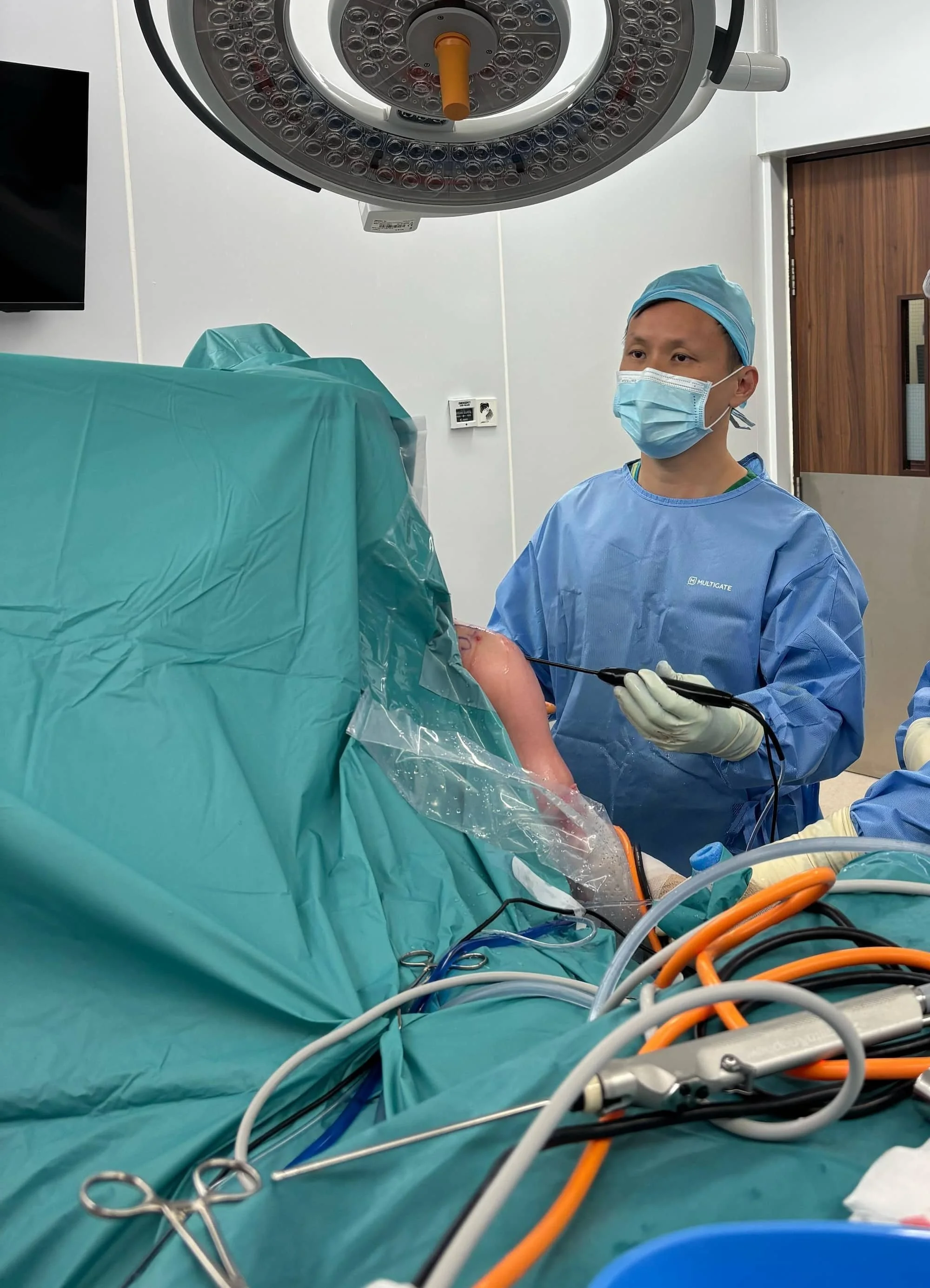
Shoulder arthroscopy is a minimally invasive keyhole surgery that uses a small camera and specialised instruments to diagnose and treat shoulder injuries through tiny incisions. Common reasons for keyhole surgery of the shoulder are labral tears, shoulder instability/dislocations, rotator cuff tears, impingement, and frozen shoulder. Shoulder arthroscopic surgery gives less pain, smaller scars and a faster recovery.
What is Shoulder Arthroscopy?
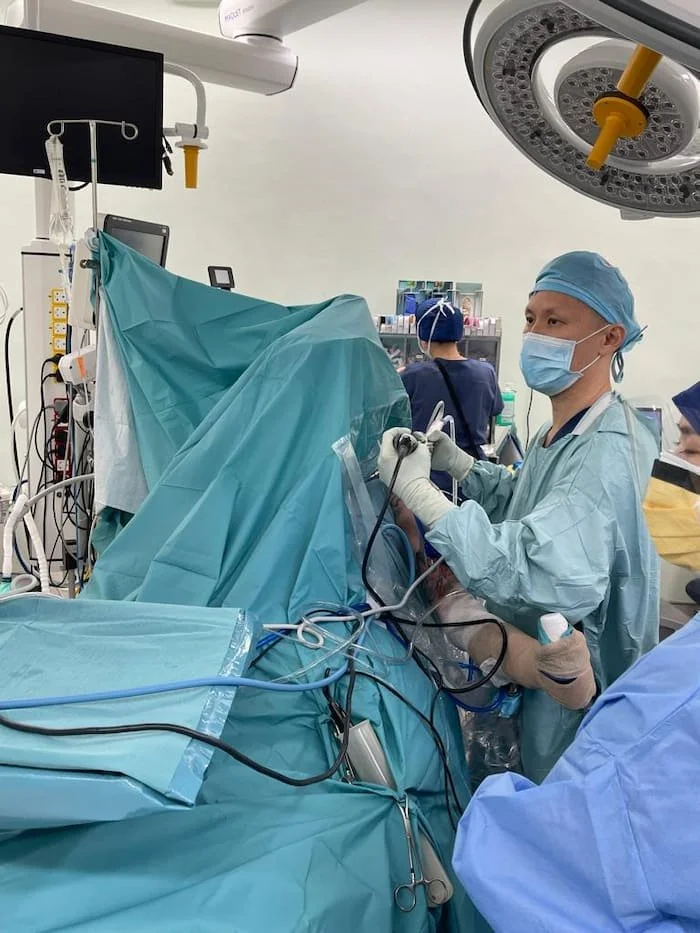
Shoulder arthroscopy - often called keyhole shoulder surgery allows an orthopaedic surgeon to look inside the shoulder joint with a miniature camera (arthroscope) inserted through 2–3 small incisions (5–10 mm). High-definition imaging guides precise treatment of soft-tissue and cartilage problems without the need for large open cuts. This approach is widely used by sports shoulder specialists for athletes and active adults, helping patients return to work and sport sooner with less disruption.
Conditions Treated With Keyhole Shoulder Surgery
1. Labral Tears (SLAP, Bankart, Reverse Bankart)
The labrum is a cartilage rim that deepens the shoulder socket. Tears from trauma or repetitive overhead activity cause pain, clicking or instability. Arthroscopic labral repair reattaches the torn tissue to restore stability. Typical recovery may take 4-6 months.
2. Shoulder Instability / Recurrent Dislocations
Repeated shoulder dislocations stretch or tear stabilising structures. Keyhole surgery for shoulder instability commonly involves arthroscopic capsulolabral repair to prevent further dislocations and protect the joint in the long-term. It may take 4-6 months for recovery to normal activities.
3. Rotator Cuff Tear or Impingement
Tendons around the shoulder can fray or tear due to overuse or ageing. Arthroscopy allows tendon repair and removal of inflamed tissue to restore strength and smooth movement. Typical recovery may take 3-6 months.
4. Frozen Shoulder (Adhesive Capsulitis)
Severe shoulder stiffness and pain can persist despite physiotherapy intervention. Arthroscopic capsular release gently frees tight tissue when non-surgical care fails. It may take 6-12 weeks post procedure to regain back to normal activity.
5. Calcific Tendonitis
Calcium deposits within the rotator cuff cause sharp pain with lifting. Arthroscopy removes deposits and relieves symptoms effectively. Typical recovery may take 6-8 weeks.
*Recovery varies by injury severity and adherence to rehabilitation.
How Shoulder Problems Are Diagnosed Before Arthroscopy?
Specialist Assessment – history and targeted shoulder tests to identify instability or tendon injury.
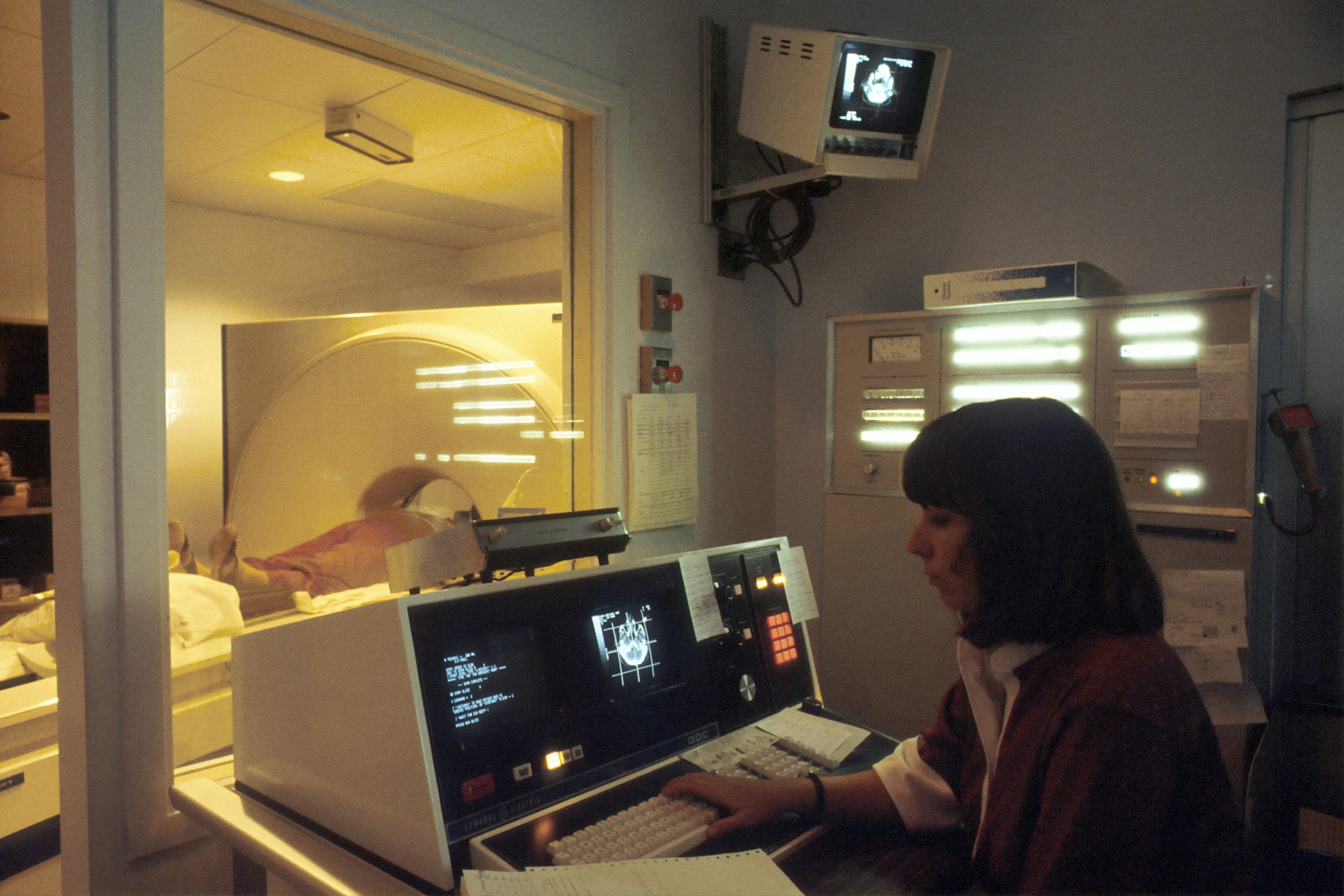
Imaging – MRI to visualise labrum, rotator cuff, cartilage, and capsule.
Depending on the results of the various examinations and diagnostic procedures, a trial of conservative care – rest, activity modification and physiotherapy/rehabilitation may be done first. If pain, instability, or mechanical symptoms persist, shoulder arthroscopy may be recommended.
Why Doctors Recommend Shoulder Arthroscopy?
✅ Minimally invasive- tiny incisions (5-10mm) as compared to bigger incisions (5-10cm) in open surgery, minimal tissue disruption in arthroscopy.
✅ Less pain and swelling- faster recovery as compared to open surgery.
✅ Precise diagnosis- direct visualisation of the labrum/ capsule/ tendons.
✅ Minimal scarring- tiny marks as compared to bigger scars in open surgery.
✅ Shorter recovery time - less discomfort and swelling.
✅ Same day discharge- can discharge within few hours of the procedure.
What to Expect During Shoulder Arthroscopy?
Anaesthesia: Usually general anaesthesia, sometimes combined with a regional nerve block.
Small incisions: 2–3 portals/ small incisions are made around the shoulder.
Visualisation: The shoulder is inflated with sterile saline to “make space”. A small camera (arthroscope) is inserted into the port which sends images to a monitor to guide for precise repair.
Treatment: Once a problem is identified, 1–3 additional small incisions may be made to insert miniature surgical instruments for tasks like shaving bone spurs, removing inflamed tissue, repair torn labrum or reattaching torn tendons using suture anchors.
Closure: The ports are closed with tiny stitches and a dressing.
The entire procedure may last 30-90 minutes.

What to Expect After Shoulder Arthroscopy?
Monitoring: Vitals are monitored for 1-2 hours in the recovery room as anaesthesia wears off
Same-day discharge: most patients are discharged the same day with a shoulder sling. The duration of using the sling may vary from 1 week to 6 weeks depending on the complexity of the procedure.
Physiotherapy: Early guided physiotherapy begins within the first week to restore joint range of motion. Progressive strengthening and sports specific rehab are done regularly to restore back the normal function of the shoulder.
Typical timelines:
Desk work: 1–2 weeks
Driving: 2–4 weeks
Recreational sport: 3–4 months
Competitive sport: up to 6 months.

Why Choose Beacon Orthopaedics in Singapore?
✅ Specialist expertise: Led by Dr Bryan Wang, fellowship-trained in Shoulder & Elbow and Sports Injuries (Pan Am Clinic, Canada).
✅ Comprehensive care: From diagnosis to arthroscopic labral repair and structured rehab.
✅ Athlete-focused approach: Experience managing recreational and competitive athletes.
✅ Private care convenience: Same-week MRI, surgery scheduling, and follow-up within Singapore’s private system.
Take The Next Step for Your Shoulder Pain
If you have persistent shoulder pain, instability or limited movement, early specialist assessment can prevent further damage. Beacon Orthopaedics offers advanced shoulder arthroscopy with personalised rehabilitation to help you return confidently to work and sport.
Medically reviewed by: Dr Bryan Wang, Consultant Orthopaedic Surgeon, Beacon Orthopaedics, Singapore
Fellowship-trained (Pan Am Clinic, Canada) | Former Senior Consultant (CGH) | Teaching faculty at NUS, NTU & Duke-NUS | Member of AAOS, ISAKOS, and Canadian Shoulder & Elbow Society
Last reviewed: January 2026
Educational content only. Not a substitute for personalised medical advice. Consult a qualified orthopaedic specialist for diagnosis and treatment.
Frequently Asked Questions
-
It treats labral tears, instability, rotator cuff problems, frozen shoulder, and calcific tendonitis using minimally invasive techniques.
-
Pain is usually mild to moderate and improves quickly; nerve blocks and oral medication help early recovery.
-
Daily activities resume in weeks; full sports recovery may take 3–6 months depending on the procedure.
-
Yes. Physiotherapy/rehabilitation is essential to restore motion, strength and prevent stiffness.
-
Yes. Arthroscopic stabilisation repairs torn labrum and capsule to reduce recurrence.
-
Most patients require an MRI to confirm the diagnosis and plan surgery accurately.
-
No. You can book directly with a shoulder specialist at Beacon Orthopaedics.