
Restoring Function. Embracing Life.
Elbow Arthroscopy (Keyhole Elbow Surgery)
Dr Bryan Wang
Consultant Orthopaedic Surgeon
Trusted Orthopaedic Surgeon | Fellowship-trained in Canada | With over 20-years of experience
Elbow arthroscopy is a minimally invasive keyhole surgery that uses a small camera and specialised instruments to diagnose and treat pain, stiffness or mechanical problems inside the elbow joint. Common reasons for undergoing elbow arthroscopy would be loose bodies, bone spurs, post-traumatic stiffness and severe tennis or golfer’s elbow that has not improved with therapy. The advantage of doing this procedure is smaller scars, less pain, faster recovery and usually same day discharge.
What is Elbow Arthroscopy?
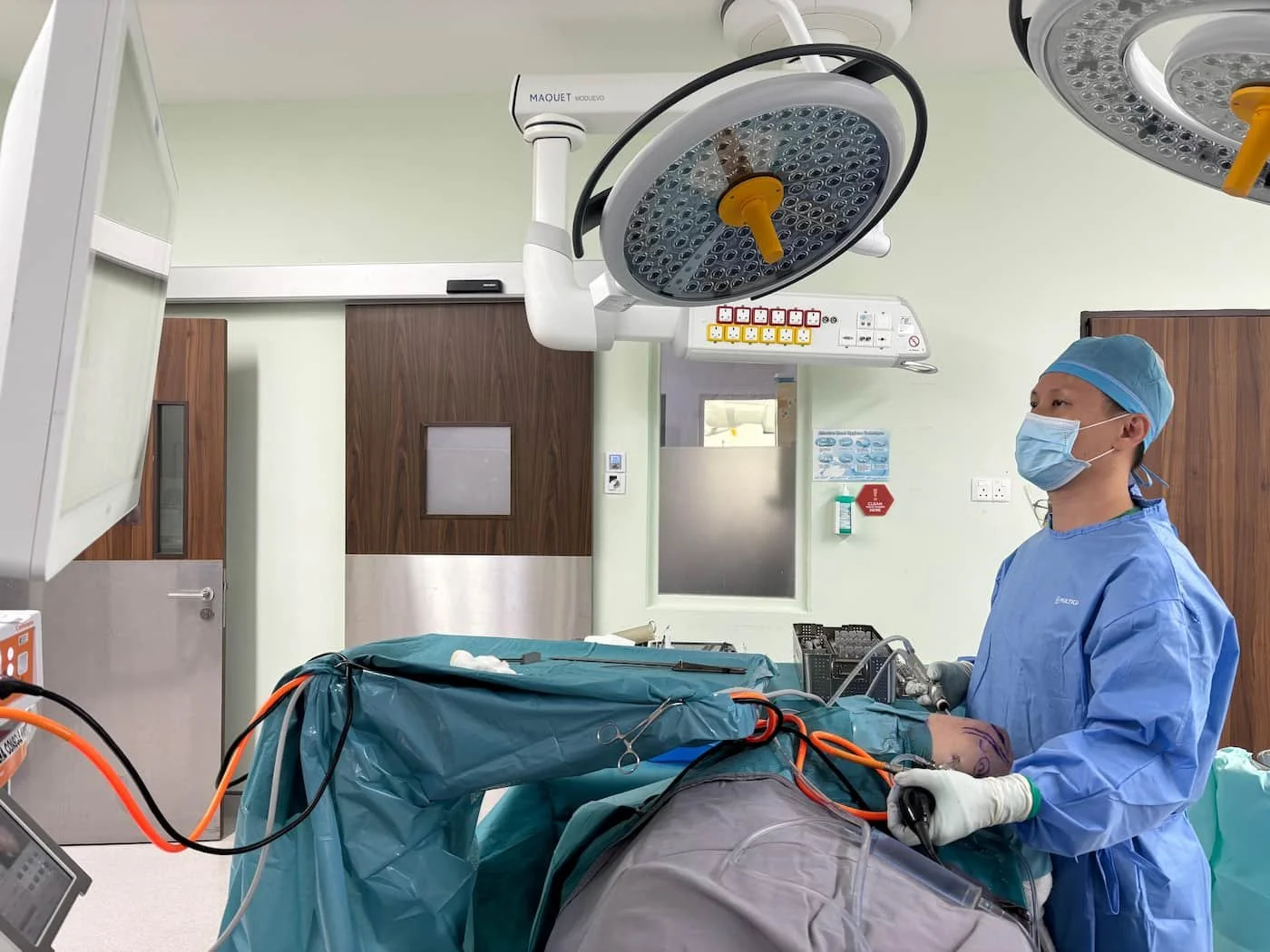
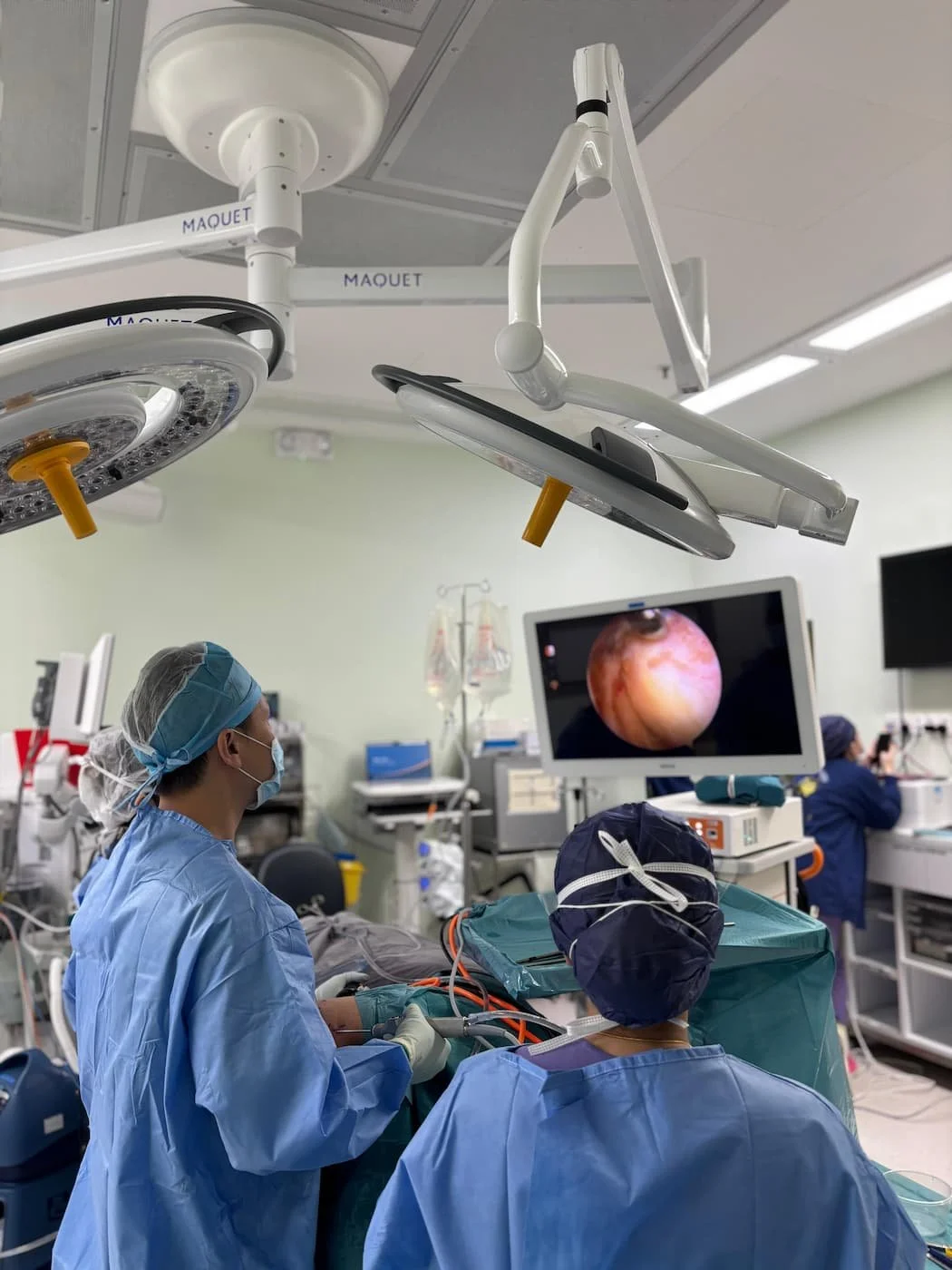
Elbow arthroscopy - also known as keyhole elbow surgery allows an orthopaedic surgeon to look inside the elbow joint using a miniature camera (arthroscope) inserted through small incisions around the elbow. The camera projects high-definition images onto a screen, enabling precise treatment of joint problems without large open cuts.
Because the elbow is a compact joint with many important structures nearby, arthroscopy is typically performed by experienced specialists and is best suited for specific, well-defined conditions.
Conditions Treated with Keyhole Elbow Surgery
1. Loose bodies in the elbow
Small fragments of bone or cartilage can break off after injury or arthritis and float inside the elbow joint. These loose bodies cause locking, catching or sudden pain. Arthroscopy allows safe removal through tiny portals, restoring smooth elbow motion. Typical recovery may take 2-4 weeks to restore normal joint range.
2. Bone Spurs (Osteophytes)
Repetitive stress or arthritis may lead to bony overgrowth that blocks movement, especially during straightening of the elbow joint. Arthroscopic removal of bone spurs helps improve range of motion and reduce pain during activity. It may take 4-6 weeks for the elbow joint to restore normal range of motion.
3. Post-Traumatic Stiffness or Locking
After fractures or dislocations, scar tissue and bony changes may restrict elbow movement. Arthroscopy can release tight capsular tissue and clear mechanical blocks, improving flexibility and function. Typical recovery timeline may be 6-12 weeks.
4. Severe Tennis Elbow or Golfer’s Elbow
In long-standing cases that fail conservative treatment, arthroscopy can remove degenerated tendon tissue (tendon debridement) and stimulate healing around the tendon attachment, reducing pain and improving strength. It may take 6-8 weeks to restore normal function.
*Recovery varies depending on the procedure and adherence to rehabilitation.
How Elbow Problems are Assessed Before Arthroscopy?
Specialist examination – assessment of movement, tenderness, and mechanical symptoms.
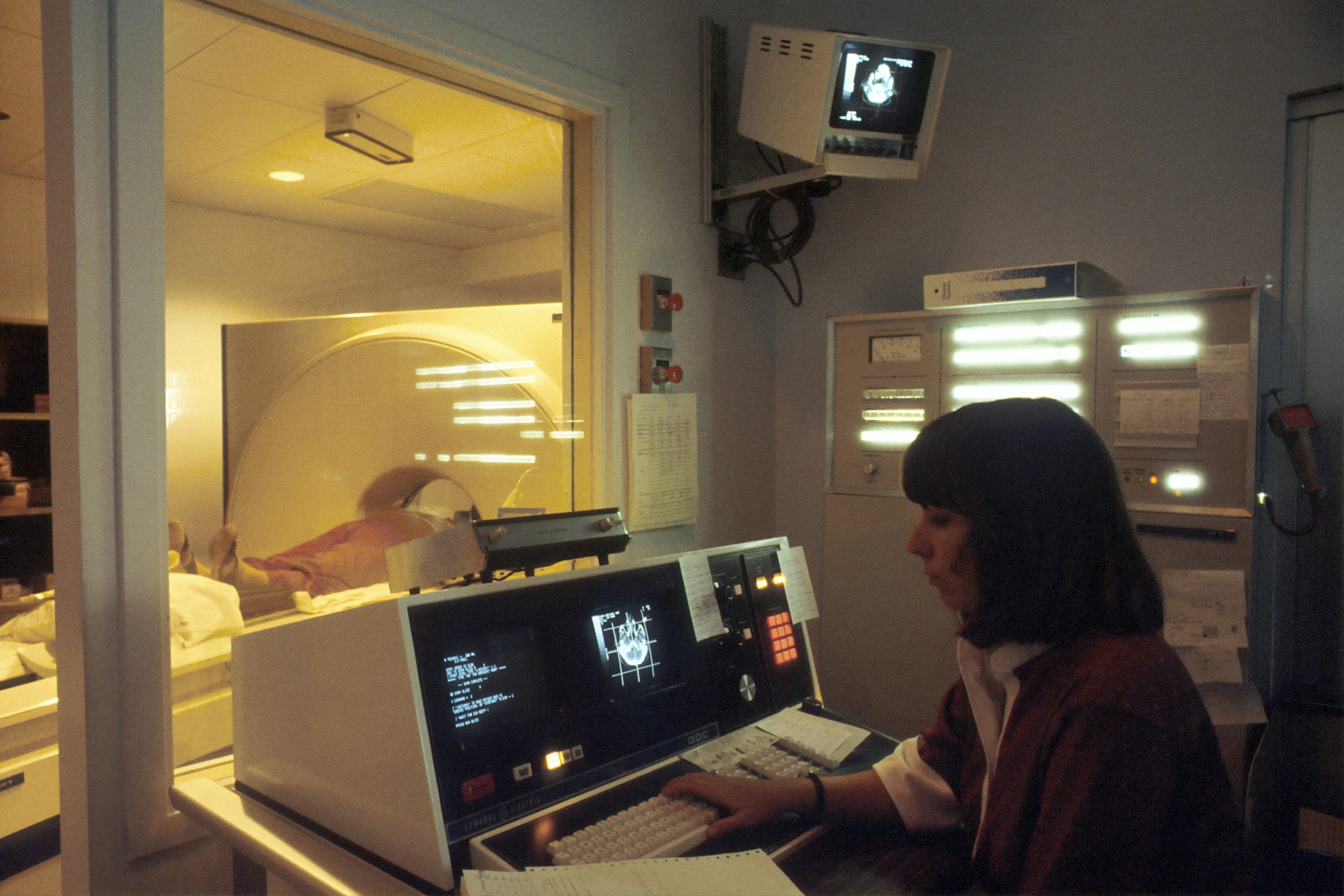
Imaging – MRI helps visualise cartilage damage, loose bodies, and soft-tissue pathology.
Depending on the results of the various examinations and diagnostic procedures, a trial of conservative care –medication, activity modification and physiotherapy / rehabilitation may be done first. If pain, stiffness or locking persists, elbow arthroscopy may be recommended.
Why Doctors Recommend Elbow Arthroscopy?
✅ Minimally invasive- tiny incisions (5-10mm) as compared to bigger incisions (5-10cm) in open surgery, minimal tissue disruption in arthroscopy.
✅ Less pain and swelling- faster recovery as compared to open surgery.
✅ Precise diagnosis- direct visualisation of the damaged structures.
✅ Minimal scarring- tiny marks as compared to bigger scars in open surgery.
✅ Shorter recovery time- less discomfort and swelling.
✅ Same day discharge- can discharge within few hours of the procedure.
What Happens During Elbow Arthroscopy?
Anaesthesia: Usually general anaesthesia, sometimes combined with a regional nerve block.
Small incisions: Two or three tiny portals/ small incisions are made around elbow
Visualisation: The elbow is inflated with sterile saline to “make space”. A small camera (arthroscope) is inserted into the port which sends magnified images to a monitor and guides for a detailed view and precise repair.
Treatment: Removal of loose bodies, bone spur trimming or scar tissue release is done with the aid of the arthroscope and several small instruments.
Closure: The ports are closed with tiny stitches and a dressing.

What to Expect After Elbow Arthroscopy?
Monitoring: Vitals are monitored for 1-2 hours in the recovery room as anaesthesia wears off
Same-day discharge: most patients are discharged the same day.
Rest: There might be some swelling in the hand and arm which goes away with rest, correct positioning and early rehabilitation.
Physiotherapy: Early guided physiotherapy begins within the first week to restore joint range of motion and prevent stiffness. Progressive strengthening of the forearm and arm muscles is done regularly to restore back the normal function of the elbow.
Typical timelines:
Desk work: 1–2 weeks
Light sport: 6–8 weeks
Competitive sport: up to 3 months
Following a structured physiotherapy/rehabilitation programme is crucial to regain full motion and prevent recurrence of the underlying elbow condition.

Take The Next Step
If you have persistent elbow pain, locking, or stiffness that limits work or sport, early specialist assessment can help prevent long-term loss of motion. Beacon Orthopaedics offers elbow arthroscopy with personalised rehabilitation to help you return safely to your active lifestyle.
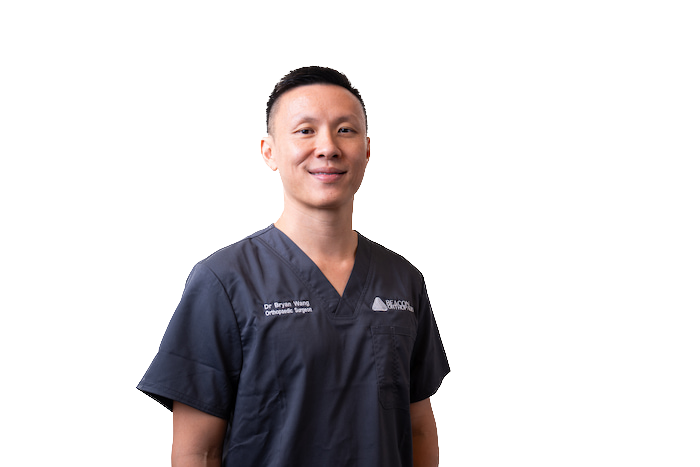
Medically reviewed by: Dr Bryan Wang, Consultant Orthopaedic Surgeon, Beacon Orthopaedics, Singapore
Fellowship-trained (Pan Am Clinic, Canada) | Former Senior Consultant (CGH) | Teaching faculty at NUS, NTU & Duke-NUS | Member of AAOS, ISAKOS, and Canadian Shoulder & Elbow Society
Last reviewed: December 2025
Educational content only. Not a substitute for personalised medical advice. Consult a qualified orthopaedic specialist for diagnosis and treatment.
Frequently Asked Questions
-
It treats mechanical elbow problems such as loose bodies, bone spurs, post-traumatic stiffness and selected cases of chronic tennis or golfer’s elbow.
-
Post-operative discomfort is usually mild and improves quickly with medication and early movement.
-
Most daily activities resume within weeks, while sports may take 2–3 months depending on the procedure.
-
Yes. Physiotherapy/rehabilitation is essential to restore movement and prevent stiffness.
-
In most cases, MRI helps confirm the diagnosis and plan surgery accurately.
-
Yes, but usually only for severe or long-standing cases that have not improved with non-surgical treatment.
-
No. You can book directly with Beacon Orthopaedics for specialist assessment.