
Restoring Function. Embracing Life.
Knee Arthroscopy (Keyhole Knee Surgery)
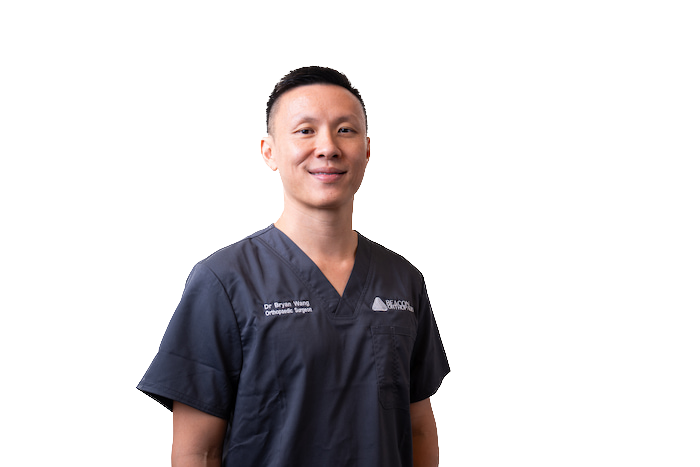
Dr Bryan Wang
Consultant Orthopaedic Surgeon
Trusted Orthopaedic Surgeon | Fellowship-trained in Canada | With over 20-years of experience
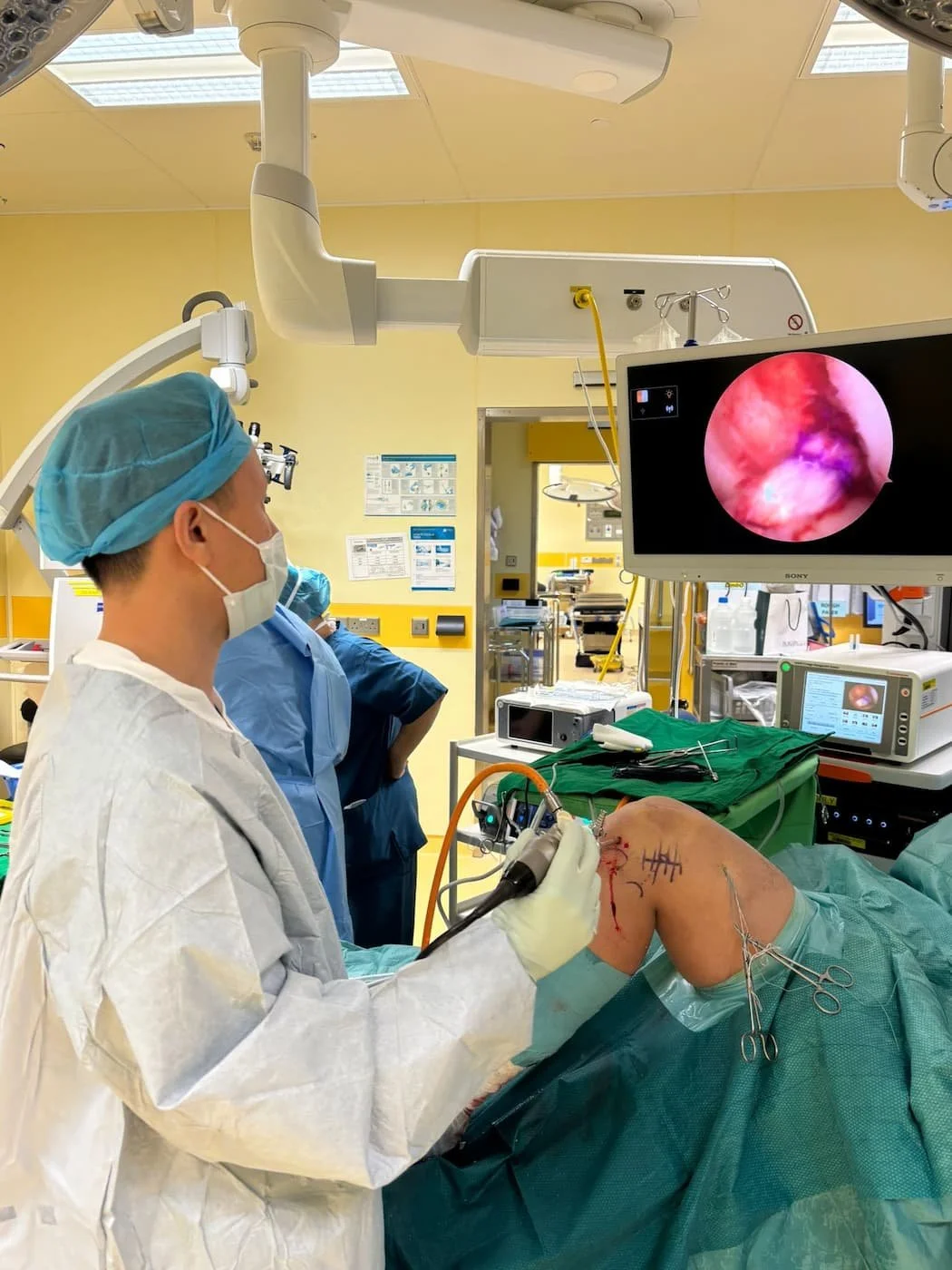
Knee arthroscopy is a minimally invasive keyhole surgery that allows an orthopaedic surgeon to diagnose and repair damage inside the knee using a small camera and specialised instruments. This procedure is commonly done for meniscus tear, ACL/PCL reconstruction, cartilage repair, or removal of loose bodies. The advantage of this intervention is that the recovery is faster and there is less pain and scarring.
What is Knee Arthroscopy?
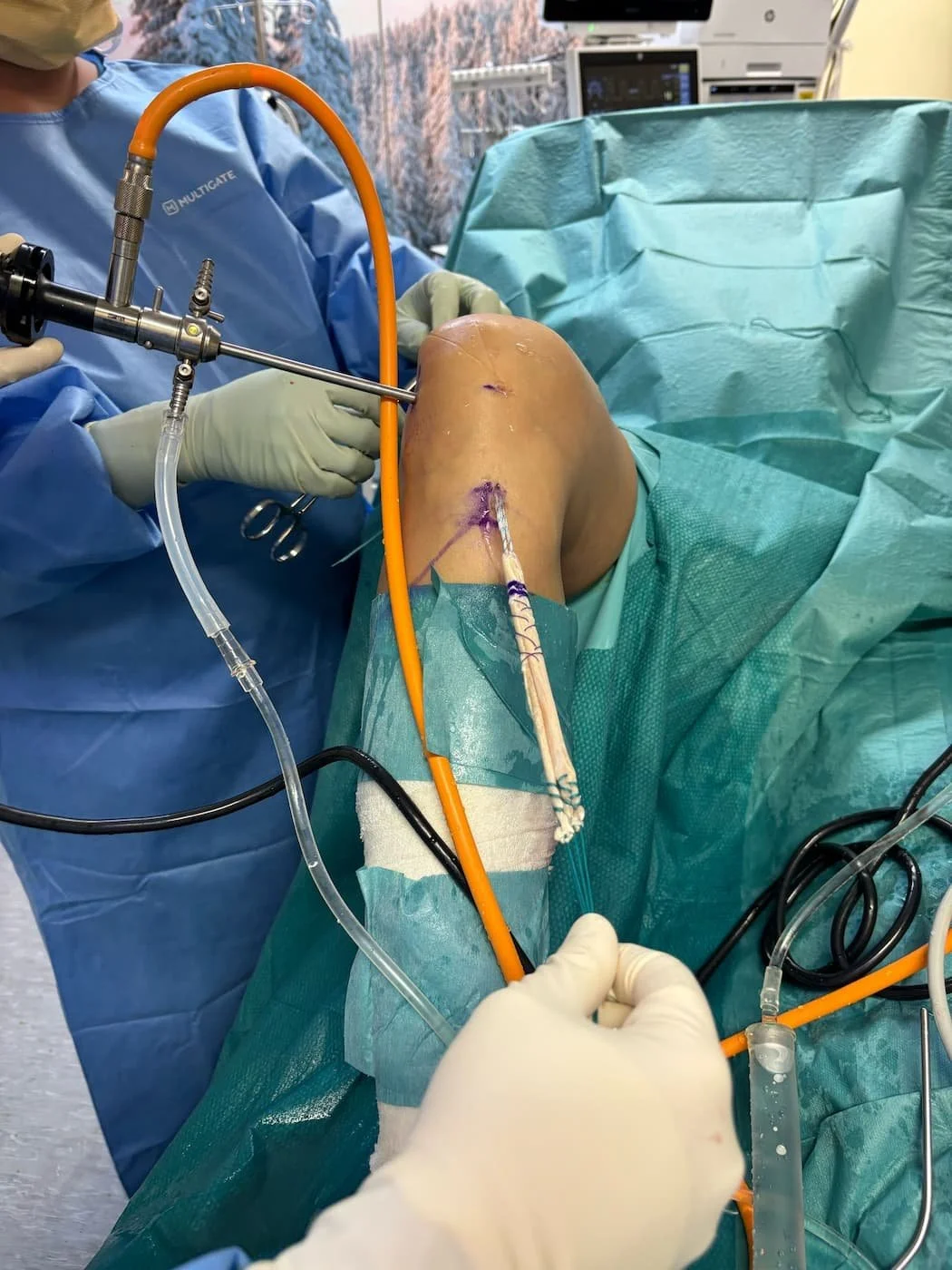
Knee arthroscopy - often called keyhole knee surgery uses two or three tiny incisions (5–10 mm) to insert an arthroscope (mini-camera) and slim instruments into the knee joint. This advanced technique can see, diagnose, and treat internal knee problems such as torn cartilage, ligament injuries, or loose bodies without large open cuts.
Common Knee Conditions Treated with Keyhole Surgery
1. Meniscus Tear
The C-shaped cartilage that cushions the knee can tear during twisting or sports. Arthroscopy allows repair (stitching) or partial meniscectomy (smoothing frayed edges) to restore movement and reduce pain. Typical recovery takes 3-6 weeks.
2. Tear of the Anterior Cruciate Ligament/ Posterior Cruciate Ligament (ACL / PCL Tears)
The anterior and posterior cruciate ligaments stabilise the knee. Tears cause “giving-way” or instability, confirmed by Lachmann, anterior/posterior drawer, or pivot-shift tests. Arthroscopic reconstruction rebuilds the ligament using a tendon graft to restore confidence in the knee. It may take 6-9 months to go back to playing sports post injury.
3. Chondral Injury / Cartilage Flap
The knee joint cartilage can crack or lift off the surface after trauma, leading to catching or locking. Arthroscopy smoothens the articular surface or performs microfracture to stimulate new cartilage growth. Recovery timeline is 8-12 weeks to go back to daily activity.
4. Early Knee Osteoarthritis
For early wear-and-tear arthritis, arthroscopy can remove loose cartilage debris and debride rough surfaces, improving motion and reducing pain. Continuous physiotherapy intervention helps keep the pain in check.
5. Loose Bodies / Synovitis
Floating fragments or inflamed tissue cause swelling and locking of the knee joint. Arthroscopy removes debris and inflamed synovium safely through tiny portals. Recovery timeline is 2-4 weeks.
6. Baker’s Cyst
Baker’s Cyst is a fluid-filled swelling at the back of the knee, caused by excess synovial fluid from an underlying knee problem like arthritis or meniscus tear, leading to pain, stiffness, and a bulge that feels like a water balloon. Arthroscopy treats the root cause (e.g., meniscus tear) to prevent recurrence. Depending on the underlying problem, recovery time may be 4-6 weeks.
*Recovery varies by age, injury, and rehabilitation progress.
How Knee Injuries are Diagnosed Before Arthroscopy?
Physical examination – specialised tests (Lachmann, drawer, pivot-shift) assess ligament integrity.
Dynamic ultrasonography – detects superficial tendon or cystic issues.
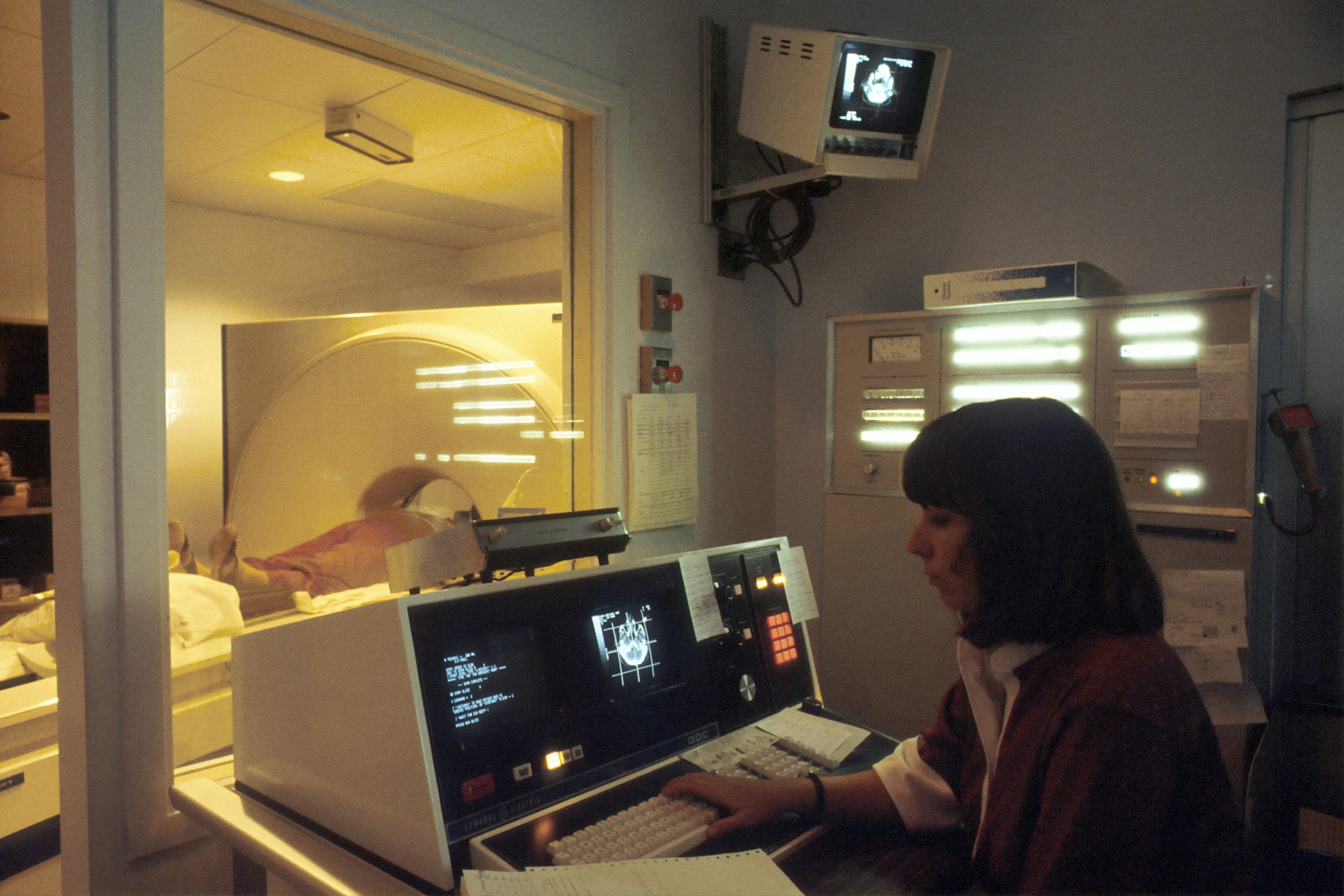
MRI – visualises meniscus, cruciate ligaments, cartilage, and bone bruises/ contusion
Depending on the results of the various examinations and diagnostic procedures, a trial of conservative care – rest, activity modification and physiotherapy/rehabilitation may be done first. If instability, locking, or mechanical symptoms persist, arthroscopic repair or reconstruction may be recommended.
Why Doctors Recommend Knee Arthroscopy?
✅ Minimally invasive- tiny incisions (5-10mm) as compared to bigger incisions (5-10cm) in open surgery, minimal tissue disruption in arthroscopy.
✅ Less pain and swelling- faster recovery as compared to open surgery.
✅ Precise diagnosis- direct visual confirmation of injury.
✅ Minimal scarring- tiny marks as compared to bigger scars in open surgery.
✅ Shorter recovery time- can walk within a couple of days using walking aid or brace.
✅ Same day discharge- can discharge within few hours of the procedure. Open surgery may require inpatient stay of 2-3 days.
What to Expect During Knee Arthroscopy?
Anaesthesia: Usually general or regional (spinal/nerve block).
Small incisions: Two to three ports/ small incisions around the kneecap.
Visualisation: The knee is inflated with sterile saline to “make space”. A small camera is inserted into the port which sends magnified images to a monitor for precision work.
Treatment: Meniscus repair, ACL graft fixation, cartilage smoothing or removal of loose bodies is done using specialised miniature tools.
Closure: Skin is closed with 1–2 stitches; dressing and compression bandage is applied.
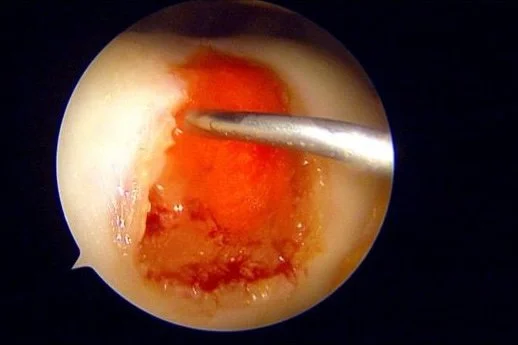
Scope image of knee cartilage repair by Dr Bryan Wang
What to Expect After Knee Arthroscopy?
Monitoring: Vitals are monitored for 1-2 hours in the recovery room as anaesthesia wears off
Same-day discharge: Walking with crutches or use of a knee brace within hours for most patients.
RICE protocol: Rest, Ice, Compression and Elevation is advised for the first 48 hours for swelling control.
Physiotherapy: Physiotherapy begins within the first week to restore joint range of motion. Gradual strengthening of quadriceps & hamstrings is done to protect the new repair.
Return timelines:
Desk work: 1–2 weeks
Driving: 2–3 weeks
Light sport: 8–12 weeks
Competitive sport: 4–9 months (depending on injury).

Why Choose Beacon Orthopaedics?
✅ Experienced sports knee specialist: Dr Bryan Wang, fellowship-trained in Sports Injuries, Shoulder & Elbow Surgery (Pan Am Clinic, Canada).
✅ Comprehensive care: From ACL reconstruction to meniscus repair and cartilage restoration.
✅ Advanced techniques: Arthroscopic keyhole surgery using modern graft-fixation systems.
✅ Integrated rehab: Collaboration with physiotherapists for safe, sport-specific return.
✅ Private-sector convenience: Same-week MRI, surgery scheduling, and follow-up all at one clinic.
Take the First Step to Regain Knee Confidence
If you experience persistent knee pain, locking, or instability, early assessment by a sports knee specialist can prevent further damage.
Beacon Orthopaedics offers advanced keyhole knee surgery and structured rehabilitation to help you return safely to your sport or active lifestyle.
Medically reviewed by: Dr Bryan Wang, Consultant Orthopaedic Surgeon, Beacon Orthopaedics (Singapore)
Fellowship-trained (Pan Am Clinic, Canada) | Former Senior Consultant (CGH) | Faculty at NUS, NTU & Duke-NUS | Member of AAOS, ISAKOS, and Canadian Shoulder & Elbow Society
Last reviewed: January 2026
Educational content only — not a substitute for personalised medical advice. Consult a qualified orthopaedic specialist for accurate diagnosis and treatment.
Frequently Asked Questions
-
It’s used to diagnose and treat internal knee damage such as meniscus tears, ACL/PCL injuries, cartilage wear, and loose bodies.
-
Pain is usually mild and managed with oral medication. Because incisions are tiny, recovery is faster than open surgery.
-
Most resume daily activities in 2–3 weeks; return to sport may take 3–6 months depending on procedure type.
-
Yes. Physiotherapy is crucial to rebuild strength, prevent stiffness, and ensure full recovery.
-
It can help in early osteoarthritis by cleaning cartilage and removing debris, but it’s not suitable for advanced bone-on-bone arthritis.
-
Usually yes, though some patients may have regional nerve blocks for comfort and faster discharge.
-
Most patients walk with support on the same day; activity levels increase progressively under your specialist’s guidance.
-
No, you can book an appointment directly at Beacon Orthopaedics for specialist assessment.